Choosing the Right Septic Tank for Your Home
Choosing the right septic tank is crucial for maintaining a healthy and efficient wastewater management system in your home. With various options available in the market, understanding the factors that contribute to a suitable choice is essential. This guide will help homeowners navigate the complexities of selecting a septic tank that fits their needs.
Understanding Septic Tanks
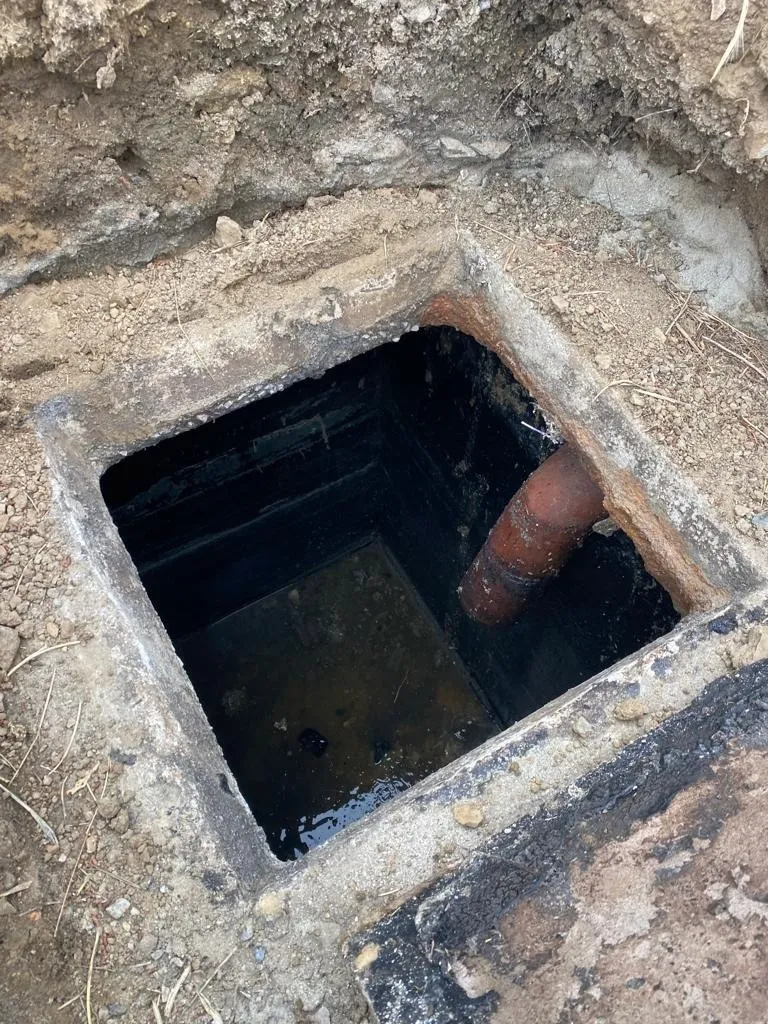
A septic tank is an underground chamber made of concrete, fiberglass, or plastic, where wastewater is collected and treated. It plays a vital role in the septic system, breaking down solid waste through natural processes.
How Septic Tanks Work
- Wastewater enters the tank from the home.
- Solid waste settles at the bottom, forming sludge.
- Bacteria break down organic matter.
- Effluent is discharged into a drain field for further treatment.
Factors to Consider When Choosing a Septic Tank
Selecting the right septic tank involves considering several important factors that can impact its efficiency and lifespan.
1. Size of the Tank
The size of your septic tank is determined by the number of bedrooms in your home and the estimated daily water usage.
- 1-2 Bedrooms: 750-1,000 gallons
- 3 Bedrooms: 1,000-1,200 gallons
- 4 Bedrooms: 1,200-1,500 gallons
- 5+ Bedrooms: Consult with a professional
2. Material of the Tank
Septic tanks are made from various materials, each with its pros and cons.
- Concrete: Durable and long-lasting but can crack over time.
- Fiberglass: Lightweight and resistant to corrosion but may be more expensive.
- Plastic: Cost-effective and resistant to rust but can be less durable.
3. Local Regulations
Always check local codes and regulations regarding septic systems. Compliance is essential for legal and functional purposes.
Types of Septic Tanks
There are different types of septic tanks available. Understanding these can help you make an informed decision.
1. Conventional Septic Tanks
The most common type, suitable for homes with adequate soil drainage.
2. Aerobic Treatment Units (ATUs)
These tanks use oxygen to promote bacteria growth, making them ideal for areas with poor drainage.
3. Mound Systems
Used when soil conditions are not suitable for conventional systems, these tanks utilize a raised mound for effluent treatment.
Installation and Maintenance
Proper installation and regular maintenance are vital for the longevity of your septic tank.
- Have the tank installed by a certified professional.
- Schedule regular pumping every 3-5 years.
- Monitor water usage and avoid flushing non-biodegradable materials.
- Conduct periodic inspections for leaks or damage.
Conclusion
Choosing the right septic tank for your home is a significant decision that impacts waste management and environmental health. By considering factors such as size, material, local regulations, and types of tanks, you can make an informed choice. Always consult with professionals like Espinoza Septic Service to ensure optimal installation and maintenance for a functional and reliable system.